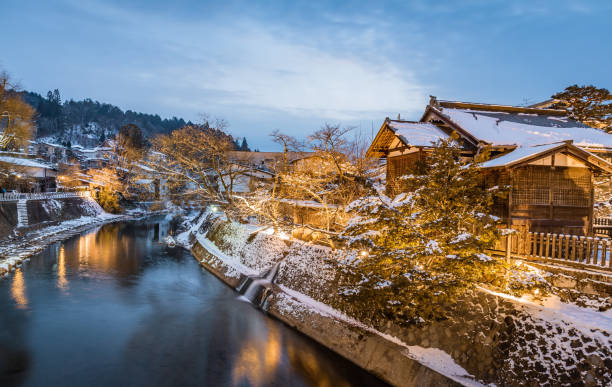
If you study most of the traditional and oldest Japanese villages, you’ll find a village name called “Takayama”. City often known for its deep rooted traditional, cultural and historical connections with the country’s most preserved Edo- period (1603-1868), so, most of the city’s attractions blend Edo period legacies and contributions.
Takayama city also known as the “Hida Takayama”, located in the mountain Hida region of Gifu Prefecture, Japan. Like Kyoto and Tokyo city, most backpackers are keen to visit Takayama to understand the deeper historic and cultural significance of the country. Even today most of the city’s streets, traditional wooden houses, festivals, old towns like Sanmachi Suji and other historical charms clearly match what visitors experiencing during their Kyoto tours, therefore Takyama is also often called the “Little Kyoto”.
Is Takayama, Japan Worth Visiting?
My direct answer for this question is absolutely YES, you’ll find few more destinations in the world where both traditional, historical and cultural attractions meet scenic nature. If you hope to plan your upcoming vacations to Takayama with your family then be ready to experience the most breathtaking historic homes, monuments, scenic views and Japanese cultural significance. Yet again we insist you shouldn’t miss out such an iconic place from your Japan itinerary. Once you go through detail about this city which we are explained given below, makes you to decide city is absolutely worth exploring.
Things to Do in Takayama/ Hida Takayama, Japan
There are multiple things always open to travellers to take and enjoy here in Takayama. All these 10 things help you to understand more details about Edo period towns, old town houses, craft stores, museums, galleries and breweries. Let’s dig more about what are the popular things to do.
1. Explore Takayama Old Town
After deciding to step into Takayama city and still thinking or confused about where to start your journey, we would advise you to start from Takyama Old Town. The most charming town boasts the city’s most incredible well preserved areas blessed by the vast numbers of traditional wooden merchant houses, shops and sake breweries.
One of the easiest ways to experience a town’s major attractions is by taking a leisure stroll along its streets. There are multiple advantages you can enjoy while simply strolling in the streets, one is to encounter towns breathtaking Edo period ancient attractions, and another one is to spot unique shops like local crafts, and savour where mouth-watering restaurants are located. We recommend you to wander the well preserved Sanamachi Suji district early in the morning or at sunset when the place is more calm, less crowded and easy to navigate most of its attractions.
2. Visit Takayama Jinya
Another most spectacular landmark we must admit ourselves to explore while we are looking for the perfect place in Takayama. Takayama Jinya is a former office in Japan that served as a local administrative centre during the Edo period. However, historical evidence shows Jinya also served as the government headquarters for the Hida region under the Tokugawa Shogunate.
When you go to explore Jinya you’ll come across many things which belong to the period of Edo such as the interrogation room, traditional rice storehouse and living quarters and office with tatami rooms. Tatami rooms are a major attraction under Takayama Jinya, rooms include guest rooms, conference rooms, office rooms and residential spaces. Built in the 1600s, a large storehouse under this building complex is a must visit, where once it served as belongings and official documents of past local leaders, maps and town plans are kept. Until 1969, the building complex was in use, but after that building was open to the general public to visit as a museum.
3. Experience Takayama Festivals
Trying to be part of Takayama Festival is the greatest idea for visitors to experience local cultures, and understand the customs and traditions of the people. Takayama Festivals/ Matsuri is one of the most beautiful and popular festivals held in both spring and autumn. This festival always sits parallel to the celebration, importance and heritage like Kyoto’s Gion Matsuri and Chichibu Yomatsuri festivals.
One of the major highlights of this festival is ornate floats and cultural performances. During the time of celebrations, elaborately carved floats adorned with mythical creatures dance through the streets including colorful costumes and marionettes. While celebrating Takayama festival, visitors were fortunate to see Karakuri performances and Mikoshi Procession. Karakuri performance is all about elaborating puppets called yatai, which are pulled through streets especially during autumn. The Mikoshi Procession highlighted the shrine of Kami, often known as the spirit of deity.
As we discussed earlier, festivals are held in season, during spring and autumn. Spring festival or Sanno festival (April 14-15) is an annual festival of Hie Shrine held in the old town of the city. Autumn Festival is another annual festival (October 9-10) of Hachiman Shrine held in the northern halls of the old town.
4. Cross Nakbashi Bridge
Gateway into the historic Old Town of Takayama, Nakbhasi Bridge is a red bridge that helps to pass the Miyagawa River. Despite its connections and historic significance, Nakbashi Bridge, even well known for its deep rooted cultural values and striking appearances, always left visitors in awe inspiring. If you are visiting during the Spring or Fall season, then we recommend you bring your camera to take the most beautiful and elegant photos of the red color bridge, blossoms of cherry flowers and foliage.
Built according to the traditional Japanese techniques, reflecting the design of classical Japanese aesthetics. Especially its curved shapes and red lacquer representing good fortune and protection to peoples according to their beliefs. Initially, Nakabashi Bridge was built by Kengo Kuma, as a place of prayer to connect Sun Shopping Village and Prayer Park. After that bridge went to reconstruction and renovations and each time when it was damaged people tried to preserve its originality and durability. One of the biggest setbacks of this beautiful bridge was the 2011 tsunami.
If you are interested in visiting Nakabashi Bridge during festival season, we recommend you to be there during Biannual Takayama Matsuri, a time when the bridge plays a major role to pass yatai and perfectly decorated for elaborate floats. While passing yatai, we are much blessed to enjoy stunning visual spectacle, especially during night time.
5. Take a Leisurely Stroll Amidst of Takayama Morning Markets
Taking a leisurely stroll amidst the city’s major morning markets would open up the greatest travel experience to find local products, culinary delights, traditional stuffs and unique cultures. Currently Takyama boasts 2 major morning markets such as “The Miyagawa Morning Market” and “Jinya Morning Market”.
The Miyagawa Morning Market, more popular when it comes to the morning market, which opens year round from morning 7:00 am to 12:00 pm. Markets feature over 60 different shops and stalls including fresh products, pastries, and handcrafted souvenirs.cYou’ll see products like fresh veggies or grains, handmade chopsticks and dishes like Hida beef and Taiyaki.
The market is located along the Miyagwa River, a perfect place for even those looking for morning breakfast and small treats.
Jinya Morning Market is another good example of a morning market in the city (open from 7:00 am to 12:00 am), where the majority of local farmers and artisans come and showcase their unique local crafts, sell seasonal vegetables and exhibit wares. Visitors can choose from a variety of unique products like flowers, vegetables and pickles along with souvenirs. Market atmospheres are more pleasant to spend more time with shops and choose and purchase unique goods and food options.
6. Visit Hida Folk Village
Hida No Sato or Hida Folk Village is an open air museum where backpackers can see 30 charming traditional Japanese houses. These historic houses were built in the Hida region, mountainous district of Gifu province, Takayama during Edo periods, according to the local climate and lifestyle. Once they decided to preserve and unite the traditional witnesses, all these houses were relocated from their original location (from the village of Shirakawa-go) to create a museum in 1971.
If you wander in Hida Folk Village, surely you’ll feel the same like walking even during the Edo period. Perhaps this feeling came from its same traditional feeling of farmhouses, workshops, thatched roofs and brilliant wooden craftsmanship. Despite its innovative styles, visitors can even discover tools used by the people in daily life, traditional attire, logging huts and stories etched in every beam.
If you like more insights about these houses and villages, then probably you need to take a walk to Hida Takayama Crafts Experiment center. It offers how to learn crafts like beaded key chains, ceramic cups/glasses, chimes and sarubob dolls. Here visitors need to pay a fee to enter (800 to 3000 yen per person) to participate in activities and attend workshops. If you are tired after spending more time with bustling cities, then this folk village is a diversion point to spend more time with authentic traditional Japanese past evidence.
7. Take a Day Trip to Kamikochi
Kamikochi is well known for its stunning alpine scenic views where nature lovers spot most breathtaking majestic mountain ranges and crystal clear waters. But visitors need to take a day trip to reach Kamikochi since it is situated 47km far from Takayama. There are plenty of transportation options available like buses/taxis from Hirayu Onsen to Kamikochi.
Nestled in the heart of the Japan Alps, home to major attractions like majestic Mt. Yakedake, only active volcano exists in the northern Alps. During your day trip surely you are much fortunate to enjoy things like towering mountain ranges, reflective waters, lush green surroundings and more nature friendly environments.
Time of visit is a crucial aspect when you are planning to take your day trip to Kamikochi, not every season will bring you the same level of joy and travel spirit. Visit mid-April to mid-November, a time when Kamikochi looks more pristine landscapes and offers a network of hiking trails in Chubu Sangaku National Park to discover more sanctuary and get photographic views.
8. Experience Shinhotaka Ropeway
Taking Shinhotaka Ropeway is a unique experience to us, the ropeway offers 2 double decker cable cars mounted over 2,000 meters. During ropeway activity we can enjoy a more breathtaking 360 degree panoramic view of the Japanese Alps and spectacular views of the surrounding glacier regions. One of the largest elevation gains in Japan features double decker gondola cars that help us provide the most epic views of the Ohuhida region.
The winter season is often more connected to this Shinhotaka Ropeway activity, since most of the mountain peaks are covered by the snow and the mountaintop transformed as a majestic snow corridor. During our ropeway it is spectacular to see the view from top including vibrant color and freezing air. Once you reach Upper Station, above 800 meters from the ground level, there are more restaurants, gift shops and observation decks waiting for you. From its Observation deck we can take a glimpse of surrounding mountains and valleys.
Activity even popular during fall season, we can expect canvas of vibrant colors and gondola hours will be extended. Do not limit your trip to see panoramic views of the surroundings of snow covered landscapes, try to indulge in more scenic trails and natural hot spring baths at ropeway stations.
9. Walk in Historic Nakasendo Samurai Trail
Taking a walk in the regions most elegant and historic Nakasendo Samurai Trail is one of the spectacular things to do in Hida Takayama. The trail provides Japan’s deep culture and history by visiting its post towns, scenic natural landscapes and traditional lifestyles. The cobblestone roads of Nakasendo Route contain a number of “postal towns” where once samurai, travelers/merchants expected more authentic accommodation, food, and transportation options.
Nakasendo Trail includes a total route of 500 km, connecting Kyoto to Tokyo passing through the country’s most beautiful and picturesque countryside. While you decide to take a walk along the trail, you’ll be much fortunate to experience Japanese inns, scenic landscapes, and traditional houses along with 69 post towns. Even today trail showcasing Japan’s rich history, culture and natural beauty.
It passes through the mountains of Gifu and Nagano Prefectures in central Japan, called Kiso Road. This historic section of the Kiso Road, includes lush green forest coverage, remote rural villages/farm sections, and lucid streams. The Nakasendo trail does not just connect the country’s rich history and traditions, moreover its picturesque countryside tries to offer a glimpse into Japan’s past and helps to indulge in traditional Japanese cuisines, natural hot springs for baths and charming ryokans for stay.
10. Taste Local Cuisines
Do not finish your Takayama trip without tasting delicious local cuisine options. If you search for the mouthwatering delicious cuisines in Takayama, surely you’ll come across the name “Hida Beef (Wagyu)”. Hida Beef is a most sought after cuisine option known for delectable tender due to butter textures and high quality.
Majority of restaurants serve Hida Beef throughout Takyama under different forms and major restaurants include Hida Beef in every food menu option. Like if you sit for a meal they offer Hida beef hamburgers along with, or many street stalls sell as a croquettes made from Hida Beef. Besides Hida Beef, you can try other prime cuisine options like Hoba Miso- a grilled beef served on a magnolia leaf with miso paste.
Local cuisine options include Takayama Ramen- it is a thin noodle served along with light soy broth and Goheimochi- a sweet rice cake grilled on skewers and flavoured with sweet soy sauce, and try beef croquettes.
Hotel at Takayama/ Hida Takayama
Choosing the right accommodation option in Takayama is a crucial task for backpackers, especially if you’re visiting for the first time. We recommend you top 4 hotel options in Hida Takyama according to convenience, budget and amenities options.
1. Hida Hotel Plaza
Hida Hotel Plaza is located near Takayama’s city center, just 5 minutes’ walk from Takayama Station. Located where visitors more easily catch up Takayama’s popular attractions and heritage sites due to walking distances. Its Features includes;
- The hotel serves 222 guest rooms and modern accommodation options ranging from Japanese style rooms, western style, twin rooms, deluxe twin rooms, standard twin rooms to single rooms.
- Each room included top amenities like TVs, refrigerators, telephones, hair dryers, A/C, brushes and Jinbei. Make sure that your room offers a large public bath feature with natural hot springs.
- Hida Hotel Plaza serves Japanese, Western and Chinese cuisine options for your dinner including the region’s popular dish Hida beef. Try morning breakfast with Hida ingredients and locally grown ingredients every morning from 7:00 am to 9:00 am.
- The hotel’s large open air public bath with natural hot springs is an iconic feature here. Offers a more grand view of Hida’s mountain range, Japanese Alps, and Takayama’s cityscape.
- Its easy access to transportation makes it more popular and perfect accommodations options to visitors.
2. Ryokan Asunaro
A traditional Japanese inn, Ryokan Asunaro, is another elegant hotel option to stay close to Takyama. This hotel is conveniently located in a bustling merchant town in Gifu, just 7 minutes walking distance from Miyagawa Morning Market.
- The hotel boasts total of 19 tatami matted guest rooms, featuring traditional Japanese decor with tatami floors, shoji screens and futons. Additionally each room offers futon bedding systems, private baths, catered kaiseki meals and more intimate feelings.
- Restaurants serving regional speciality dishes called “kyado kaiseki ryori. Breakfast includes both Japanese and Western style, like Hoba miso, miso sauce with dried magnolia leaf. Every evening you’ll get sukiyaki dishes purely from Hida beef.
- Despite its accommodation and culinary options, Ryokan offers other things like Yukata Selection, Bicycle and Umbrellas for hire, and coffee lobby.
- ‘Onsen’ is a geo thermal mineral rich hot water containing more volume of sodium chloride and hydrogen carbonate with sulphur. Onsen helps rejuvenate our body and mind through therapeutic remedies and relieve our body aches, arthritis, fatigue and blood circulations.
- Since it is located at JR Takayama station and Nohi bus terminal, the hotel offers free onsite car parking space and multiple transportation options to visit major parts of Hida Takayama.
3. Wanosato
Wanosato is nestled in the countryside of Wanosato, emphasizing the more breathtaking nature and tranquility of Takayama region. The hotel boasts a traditional Japanese sense of beauty called “wabi-sabi”, great hospitality and traditional cooking styles.
- Wanosato contains a total of 8 unique Japanese style guest rooms designed according to ryokan (a Hida Takayama region architecture) to help to spot nature with its intrinsic features.
- There are different types of rooms available to guests here, like gassho-zukuri style, including VIP guests, decorated by the Hida wood and traditional Shunkei Nuri lacquerware.
- The hotel caters seasonal, traditional and authentic food options to their guests. Popular Hida beef is one of the popular dishes you’ll see on every menu card. However, the hotel even serves local river fish species, mountain herbs and foraged vegetables to your table.
- ‘Rock Bath’ is a rejuvenating hot spring where guests can bathe for heat retention and rejuvenation. Likewise Hinoki bath and Indoor bath options, where we can take a bath with a magnificent view of Japanese lush forest from large windows.
- Guests can enjoy private onsens and personalised services along with gourmet meals, which focus on seasonal ingredients and offer more luxurious retreats.
4. Takayama Ouan
Takayama Ouan is a place that combines your stay with modern comforts under most traditional Japanese aesthetics. Located in the Gift Prefecture of Hida Takayama, just 7 minutes’ walk from JR Takayama station and historic old town.
- Currently Ouan provides modern style rooms with tatami flooring (both couples and families), Japanese and Western style rooms, Japanese style of twin rooms and “Wa” deluxe twin rooms.
- Try local cuisine served through buffet style like Hida beef, Chicken Chan, Hoba Miso Grill, Pickled steak and Yonaki soba.
- The same as the above hotel’s hot spring is one of the common features here in Ouan, located on the top floors of the building. It is an open air natural hot spring bath and indoor bath options allow us to soak in the thermal rich water with a spectacular view.
- Its spacious post-bath area features vast windows where you can relax and enjoy a more scenic view of Takayam’s cityscape.
- Its cozy, friendly atmosphere and service make it one of the perfect hotels for family visitors and couples who wish to relax in Hida Takayama.
What is the Perfect time to Visit Hida Takayama?
Visiting Takayama is a crucial task throughout your journey, but not every season brings you the same sense of travel spirit. So, we advise you to visit during spring (March to May) and fall (Sept- Nov).
During the spring season visitors will get an opportunity to witness the beauty of cherry blossoms. However, the season boasts major things such as, visit Hida Folk Village and snow covered Japanese Alps, explore morning markets, attend Sanno Matsuri event, karakuri puppet shows and other major traditional performances.
Fall season is all about lovely temperature and scenic photographic locations. Fall is the ideal time to attend Autumn Takayama Festivals and Hachiman Masturi, take scenic hiking trails in the Japanese Alps, explore historic Sannomcachi old town and taste popular Hida beef.
How to Get to Hida Takayama
1. By Train
You can reach Hida Takayama by multiple train options from Tokyo, one of the Japanese cities. JR Tokaido Shinkansen train operating daily from Tokyo to Nagoya, then transferring to JR Hida limited express train to Takayama. This might take 5 hours and 5 minutes of time with the cost of 16,000 yen. Despite, choose the JR Hokuriku Shinkansen train from Tokyo to Toyama and transfer to the JR Hida limited express train to Takayama (it will take a total of 5 hours with the same cost of 16,000 yen). Both train journeys are fully covered by the Japan Rail Pass.
If you are coming from Kyoto or Osaka, then choose JR Tokaido Shinkansen from Osaka to Nagoya and transfer to JR Hida Limited Express to Takayam (this might have taken 3.5 hours of one side journey with the cost of 11,500 yen). Here also Japan Rail Pass fully covers your train journey.
2 By Bus
There are a number of highway buses running during the daytime between Tokyo to Takayama, which are operated by the Keio and Nohi bus. Compared to train journeys, highway buses charge a lower cost of 8000 yen per trip for just 5.5 hours of journey.
Visitors also book their buses from Kyoto, direct highway buses running in the daytime between Kyoto and Takayama. Your overall trip cost 6500 yen for your total 4.5 hours.
Even from Osaka highways, buses are operating during the day time. Kintesu and Nohi buses are operating daily to Takayama and you’ll reach within 5.5 hours of time and cost 7000 yen.
Make sure that all these bus routes are even eligible for online reservation through Wille.
How to Get Around Takayama
Getting around Takayama is a very simple task, since most of the above known places are located within walking distances except Kamikochi. We suggest you to explore places within walking distance such as Morning Markets, old town, Takayama Jing and the region’s top restaurants through using Google Maps.
If you’re visiting places which are located far from Takayama, then we recommend you take a bus or taxi service. Ex; if you are willing to take a day trip to Kamikochi or Kanazawa, you probably need to travel 40 to 50 km.