
In your travel journey, if you already visited some of the rich Mayan archaeological sites like Chichen Itza or Palenque, then it is crucial time to visit yet again another most significant Mayan Site. Yes, Tikal is another most archaeological rich site of the ancient Mayan civilization, witnessing and depicting the symbol of political, cultural, economic and military center of the Mayan peoples.
Located in the jungles of northern Guatemala, Tikal covers an area of about 16 square kilometres and is home to many ancient temples, plazas and other ruins. Tikal National Park is the central attraction in the site, recognised as the UNESCO World Heritage Site created in 1905 to save biodiversity and wildlife of the Tikal.
Related Search: Petra, Jordon.
When Was Tikal Built?
According to some research Tikal, Guatemala was initially built around 900 BC when the initially Mayan settlements were found. But major processes and improvements were not found during these periods, instead 400 TO 300 BC (Late Pre-classic period) evidence shows us the beginning of the site constructions. However, from 600-900 AD is considered as the most prosperous period when it comes to construction of this Tikal, during when most of its plazas, temples and pyramids were built.
Tikal, Guatemala History

Discussing the history of Tikal always starts from its initial constructions and settlements of the Mayan Peoples. History starts back in 900 B.C, with the evidence of the early settlements during the Pre-classic period. Archaeologists successfully found evidence of remnants of ceramics and agricultural evidence which are dated back to 700 BC.
During our Tikal history discussions we came to know that, Pre Classic Period (from 250-900 AD) is the most prosperous period during when Tikal reached its peak. In 600 BC period often known as the beginning of most of its constructions like plazas, temples and pyramids.

Period witnessing city was a major hub for political, economic and military center, marked by the impressive Mayan architectures, such as palaces, temples and pyramids with intricate carvings and inscriptions. Despite that, Tikal is even popular as a major trade hub and centre where most of the ancient trade and commercial activities took place including cultural exchanges.
In the middle of the 3rd century Tikal got more popular by the popular leader Chak Tok Icha’aak, who once ruled Yax Mutual. He himself was predominantly dedicated to the construction of the palace of the Central Acropolis. Along with the Central Acropolis, rulers continuing to build the constructions of the fortifications, earthworks, and ditches made it equivalent to the Yax Mutual. These rulers contribute major help to protect agricultural areas by their fortifications which continue to till the end of the 8th century.
During the late 9th century (late of the late classic period), the Mayan empire declined sharply and automatically Tikal began to lose its prominence. Historians believe that decline of the Mayan empire could be the reason like starting constant warfare, series of droughts and outbreaks of epidemic diseases. But even today people argue that despite the above reason, overpopulations and environmental changes are positively affected by the decline of the Mayan Empire or Tikal. By the end of the 10th century Tikal city was completely abandoned and unknown to this world until it was rediscovered.
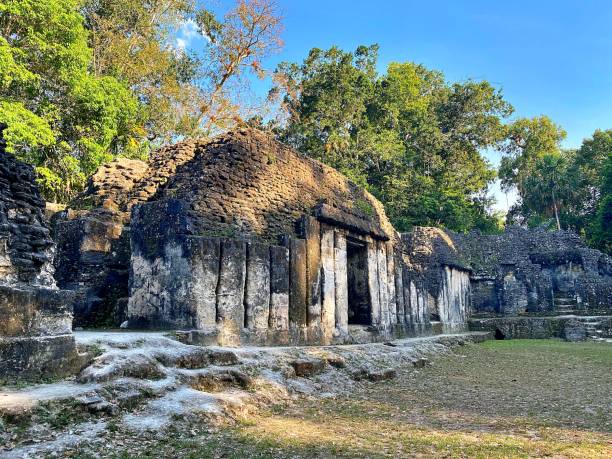
Until the mid-19th century Tikal was abandoned and mostly unaware to this world that such an impressive ancient site exists. But once European settlements rediscovered this site, Tikal became a most significant archaeological site and later recognised as a UNESCO World Heritage Site. Today, historians believe that there are more than 3,000 structures found on the site of the Mayan city. Every year around 3,00,000 visitors reach this historically rich site to explore this incredible site, temples, ruins and pyramids.
Tikal National Park Guatemala

In the entire Tikal journey we need to understand more about the “Tikal National park”. Not just an ideal place to explore, moreover most of the ruins and flora and faunas of Tikal exist within the region of Tikal National Park.
Tikal National Park is a UNESCO World Heritage Site, located in Guatemala’s northern rainforest. Located in the central part of the Tikal, the park covers 575 square kilometres of jungles home to a diverse range of flora and fauna like toucans, jaguars, spider monkeys, coatis, crocodiles and howler monkeys. Today the park, declared as the UNESCO Biosphere Reserve home to a wide range of fauns, includes 300 unique sorts of bird species.

Park is one of the largest archaeological sites where today visitors are much blessed to enjoy thousands of ancient ruins and 3,000 buildings. Tikal ruins are the most predominant aspects under Tikal National Park, where impressive structures like temples, pyramids, temple IV (raises above 70 meters), pyramids, ball courts and other ruins exist within its boundary.
Under Tikal National Park one of the most famous structures is Temples I or Temple of the Great Jaguar and Temple II. Both temples act as guardians on either end of the Plaza, whereas Temple II (38m high), known as the Temple of Maska for 2 huge stone masks that stand as the entrance of the stairway.

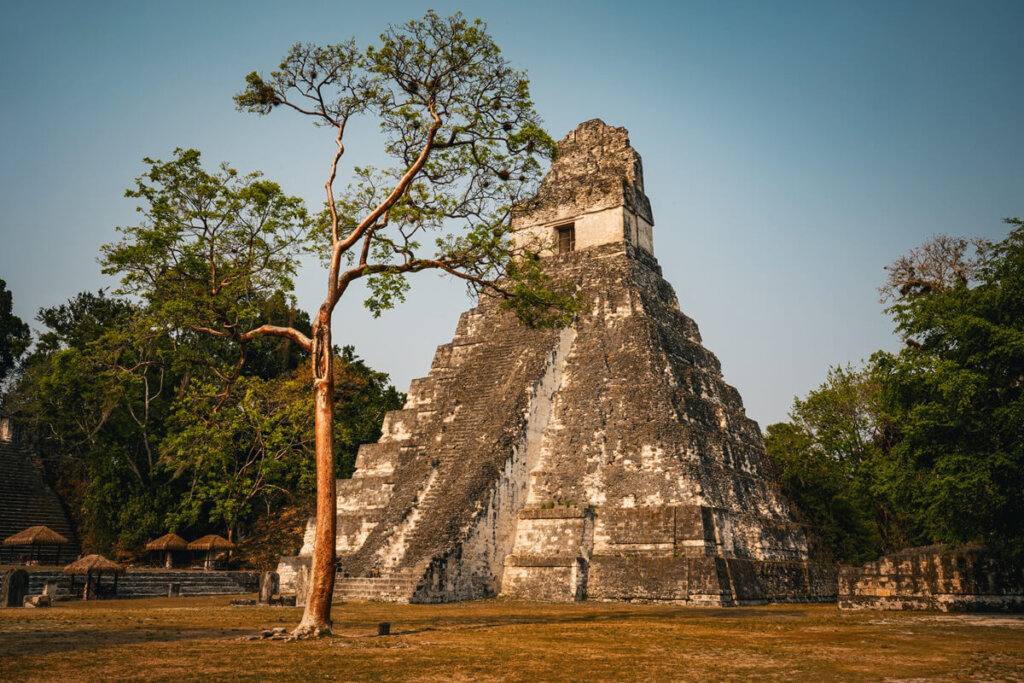
The Temple I used was a tomb of Lord Chocolat, ruler of the Mayan kingdom during the late 7th century to mid-8th century with the features of 9 tiers that correspond to the 9 stages. Temple I is also called the ‘Temple of Jaguar’, which stands 45m high and dates back from around 700 AD.
Temple III or Temple of the Great Priest, stands 60m high and dates from around 810 AD, where visitors are fortunate to enjoy the panoramic views of Temple IV and lush green surroundings.

Temple IV, another historical attraction under this Tikal National Park, where visitors can climb up its wooden step to reach the south side of the Temple IV. The temple contains 65m of height, considered as the tallest among all other temples and helps to enjoy the best views of the surrounding jungles. Built during 740 AD, Temple IV is also called the “Temple of the Bicephalouse Snake”.
However, along with temples of Tikla, it has an equally important matter to discuss about the Acropolis. North Acropolis is a popular one, serving as a royal necropolis for more than 1300 years. North Acropolis built of stone, stucco masks and decorations purely for offers space for ritual activities.

Central Acropolis is an interconnected courtyards once housed royal families of the Tikal dynasty. If you have time left, try the Plaza of Severn temples, considered the largest architectural complex of ruins and temples.
From 6th century BC to 10th century AD, ruins of Tikal were a mystery. According to some estimates 70% of ruins still remain unexcavated, some are even buried under the forest.
Today Park is not just reserved to explore ancient temples, pyramids or ruins of Mayan civilizations, moreover it serves as a conservation area for rich biodiversity of the region. As a backpacker it is the right place to experience both history and nature at one place where you’ll indulge ancient ruins, lush jungle surroundings while enjoying the beauty of the most important ancient cities of the Mayan civilization.
Some of the Interesting Facts about Tikal, Guatemala
There are some facts in Tikal that are unknown to the visitors and it is very important to know before packing your bag to this historic rich destination. Let’s discuss shortly;
- Tikal served as the capital city of the Mayan empire, who ruled this land early. Tikal is the base of the Mayan peoples for political, economic and military purposes along with they built hospitals and schools.
- Tikal is considered as one of the largest and most significant archaeological sites of the Mayan civilization or Mesoamerica, dating back around 1000 BC to 900 AD. Mesoamerica is a Mexican term primarily used during Mayan terms, which means ‘Major Mayan City’.
- In 1979, Tikal, Guatemala was recognised by the UNESCO World Heritage Site for its archaeological, cultural and ecological significance. Its vast numbers of ruins, temples and pyramids are also matters of consideration here.
- This ancient Mayan site is located amidst the Guatemalan rainforest. Visitors pass through deep Central America’s largest rainforest to reach this massive site.
- Tikal is home to diverse wildlife within its vast area of 575 square kilometres of rainforest. Today visitors easily spot howler monkeys, toucans, jaguars, crocodiles and coatis, including 300 different species of birds.
- Its population almost reached 1,00,000 during its peak time. During the classic Mayan period historians believe that the population raised 1,00,000 inhabitants, making it one of the most crowded and biggest cities of the ancient Maya.
- The city contains more Astronomical significance witnessing much astronomical evidence. During Mayan time there are good numbers of skilled astronomers exist and they help to create more complex calendars according to movements of stars, moons and aligning of celestial events.
- Even today most historians and researchers believe it is an archaeological wonder. Buildings of Tikal are purely made by the limestone and stucco masks, especially its royal palaces, houses, administrative buildings and temple platforms. Each temple is massive in size and tall, helping visitors to climb and get a perfect view of the surrounding forest.
- After the decline of the Mayan empire in the 9th century, the city was abandoned and unknown to this world. Yes, Tikal came to be known after it was rediscovered during the 19th century by the Europeans archaeologists and explorers, and began to document its ruins.
- Mayan peoples primarily involved in Agriculture, Pottery and Ceramic activities. Researchers found collections of Mayan pottery and ceramics, while Tikal is the prime base for peoples to make agriculture activities back to 1000 B.C.
Tikal, Guatemala Ticket Prices
Visiting Tikal is a curious process, but visitors need to pay some value to experience it. Ticket price of Tikal heavily based on age and type of tour packages you choose.
| 1. The entrance fee for foreign visitors | $19 or 150 GTQ |
| 2. Children below the age of 12 | Free |
| 3. Tikal journey with sunrise/sunset guided tours | $13 or 100 GTQ |
| 4. For Guatemalan citizens (on Sunday) | Free |
| 5. For visiting Uaxactun (addition to your entrance fee) | $ 32 or 250 GTQ |
Note:
- Visitors can purchase Tikal tickets even in online inorder to click https://boletos.culturaguate.com/
- Besides online tickets, Tikal tickets also available at Banural in advance. Banural is a Guatemalan Bank, where few branches (especially under Maya Mall) in Flores offer tickets to visitors.
- If you don’t like the above 2 options, you can directly buy tickets at the site itself. But the ticket booth is located at the entrance of the Tikal National park, just a few minutes’ drive to the archaeological site. Make sure that while purchasing tickets at site, you need to carry enough cash instead of cards and be after 7:00 am daily.
What are the Key Attractions in Tikal?
Since it is a huge landmark it is not an easy task to explore everything from scratch. Therefore we highlight some of the places you shouldn’t miss while visiting Tikal.
1. The Gran Plaza

Often known as the centre of Tikal where Gran Plaza is surrounded by the Temple I, Temple II and Acropolis.
2. Temple I
The Temple I used was a tomb of Lord Chocolat, ruler of the Mayan kingdom during the late 7th century to mid-8th century with the features of 9 tiers that correspond to the 9 stages. This is a 47m high temple often called the “Temple of Jaguar”.
3. Temple II

Temple II is a place where we can get a perfect view of surrounding lush greeneries and Temple I. Temple II is 38m high, known as the Temple of Maska where 2 huge stone masks stand at the entrance of the stairway, built by the Ah Cacao in honour of his wife.
4. Temple III
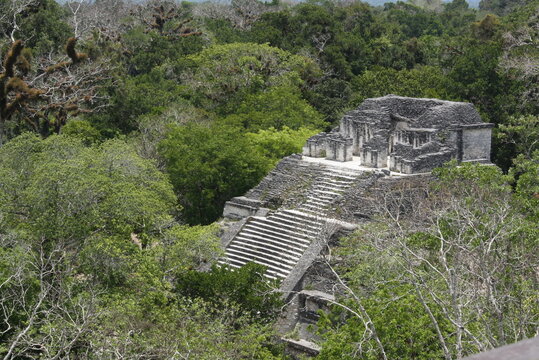
Temple III is a 55m high temple, but today the process of restorations and preservation of this temple is ongoing. If you get an opportunity to climb its top, then Temple IV is clearer to watch.
5. Temple IV

Temple IV, is most popular among other temples of Tikal well known for its amazing view over the park and jungle. Located in Tikal National Park, where visitors can climb up its wooden step to reach the south side of the Temple IV. This temple 65m of height, considered as the tallest among all other temples, helps to enjoy the best views of the surrounding jungles. Built during 740 AD, Temple IV is also called the Temple of the Double Headed Serpent.
6. Temple V

Not very popular but worth visiting. Temple V is a 52m high temple known for its huge mossy steps up to the skyline, which are so impressive to watch and great place to take photos and not to climb.
7. Temple VI
Located far from the actual archaeological site of Tikal, where rare groups of glyphs exist. If you have plenty of time then only visit otherwise you can skip it.
8. Acropolis Centro

Acropolis Centro is a most ideal landmark to explore, it is a large residential and administrative palace complex during the Mayan period. This Acropolis Centro once served as the home to royal families especially during classic periods. Contains tombs, courtyards, chambers and smaller temples including funeral centres and residential areas too.
9. Mundo Perdido

Mundo Perdido also known as Lost World in Tikal is a ceremonial complex in Mayan city. A more calm and peaceful place in Tikal where even visitors may find Temple I & II perfect views. Mundo contains two large pyramids including smaller buildings, where visitors climb top of it and they will enjoy a perfect view of the region’s great rainforest.
Tikal Opening Hours
Tikal National Park opens daily from 6:00 am to 6:00 pm. It is a standard timing in Tikal and gate will open for those who hold normal tickets even without a guide.
If you buy a ticket for sunrise tours, then the park opens before its official timings like at 4:00 am. But you must hold additional standard tickets including a valid guide.
Those who bought sunset tickets, probably the gate is open until 8:00 pm, with special tickets and a guide.
Best Time to Visit Tikal

The dry season starting from November to April is considered the best time to head on Tikal. The dry season witnessing cooler and chill weather makes it easy to explore most of its ruins and temples.
A year- round tourist destination, Tikal usually is so hot most of the time. Since it is nestled in the middle of the forest, so we can expect steamy and humid weather conditions every time.
Try to skip the wet season from May to October, when regions receive massive rainfalls and humid conditions. However, skipping your journey during holidays and weekends is a good idea since there are too many crowds.
How to Get to Tikal
1. Public Transportations

Like many other travel destinations in the world, public transportation in Tikal is more prominent. Despite being a cheap option, plenty of buses travel between Flores to Tikal from Santa Elena bus station. Visitors just need to pay 30-50 Q or $4-$7 on each trip.
2. Shuttle Services
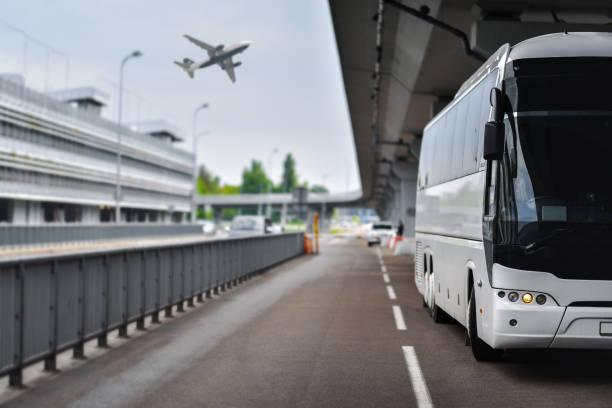
If you book your Travel through any travel agencies or Tour companies, they take you until the gate of Tikal National Park and archaeological site. Once you explore everything in Tikal again you should book another shuttle service to return back. Even though it’s cheap, sometimes people try to steal more money by charging more price than usual.
To try to escape from shuttle scams and overprices, we suggest you join Los Amigos Hotel shuttle services. They provide day time departures every morning at 3:00 am and sunset departures at 12:00 pm under the price of 100Q.
3. Tours
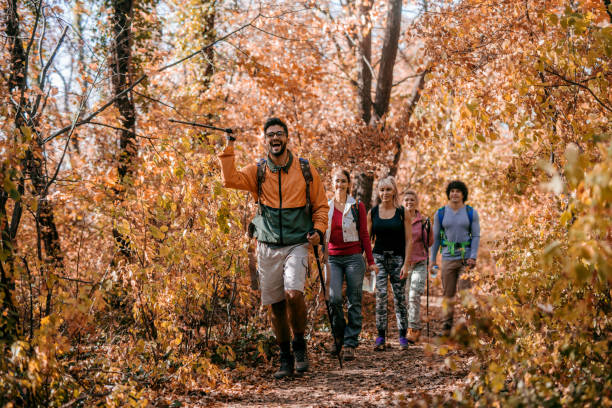
This is the most common way to reach Tikal from Flores. Guided tours are the most common thing most visitors would prefer to take. But it is not compulsory, it is exclusively for those to know and understand much depth about this Mayan sites.
Guided tours explain how jungles and sites are mutually connected, and they help us to find temple I, II, III, IV along with explaining its history and architecture. As we discussed early under Tikal ticket prices about guided tours which help us to spend more time with Tikal National Park during both sunset and sunrise.
Where to Stay in Tikal, Guatemala?
Choosing the right staying option is a great idea and equally important to visit Tikal. Not every place you choose is a great place to stay, but some few options are really worth your stay. So, here we provide 4 better staying options in Tikal, which are more recommended.
1. Hotel Jungle Lodge Tikal
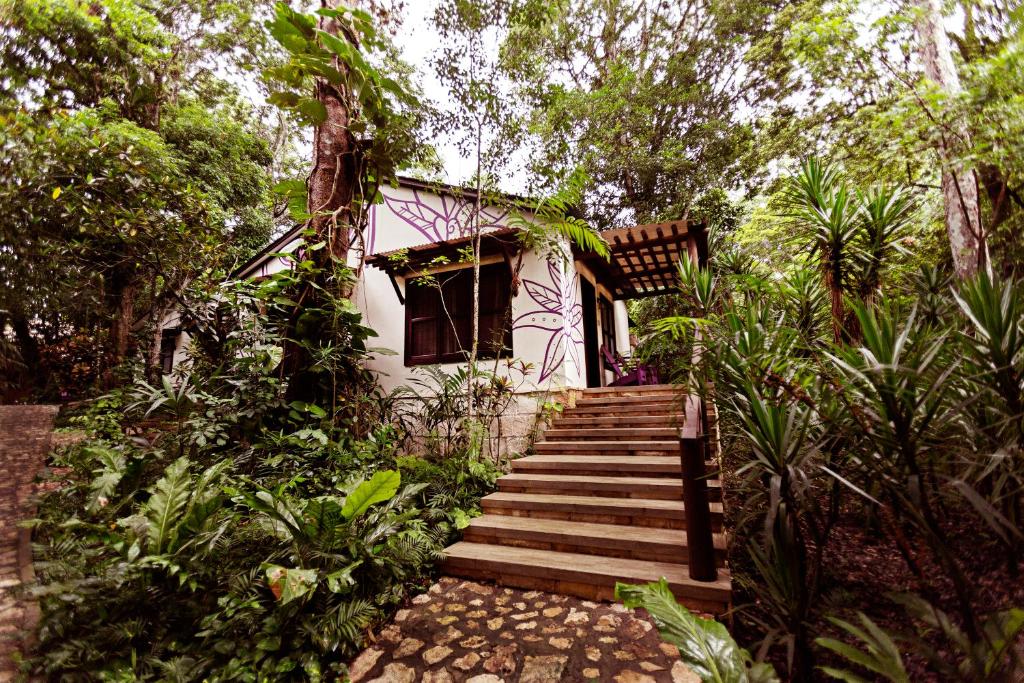
Exclusive option for those who are looking for highly comfortable and family friendly options in Tikal. Hotel Jungle Lodge Tikal offers a total of 49 rooms and suites, each one made by the architectural decorative styles where guests can enjoy great views of jungle settings with good amenities options.
2. Hotel Tikal Inn
Hotel Tikal Inn is a great option for mid-range accommodation option seekers especially those who wish to enjoy jungle setting under budget conscious way. The hotel caters 4 types of accommodation options such as Bunglows, Junior Suites, Hotel Rooms and EI Ranchon. Besides this, Tikal Inn covers shuttle services, packed launches and special offers to their guests.
3. Hotel Jaguar Lodge

Those who are looking to stay in a unique jungle setting where they wish to spot animals and birds with the comfort of your rooms, then Hotel Jaguar Lodge is a perfect option for you. Boasts 13 clean and comfortable bungalows that offer easy access to enter the ruins for sunset. Despite of bunglows, the lodge contains camping spaces, restaurant services and a tent for rent services.
4. Camping

If you bought standard entrance fee for the park and additional fee for the camping spot here in Tikal, you’ll be eligible to enjoy the camping option to stay overnight. Besides budget options, spending night with jungles is a great experience, during when visitors are fortunate to spot howler monkey and bird species easily. Make sure that it is mandatory to bring your own tent or hire hammocks.