Fushimi Inari Taisha
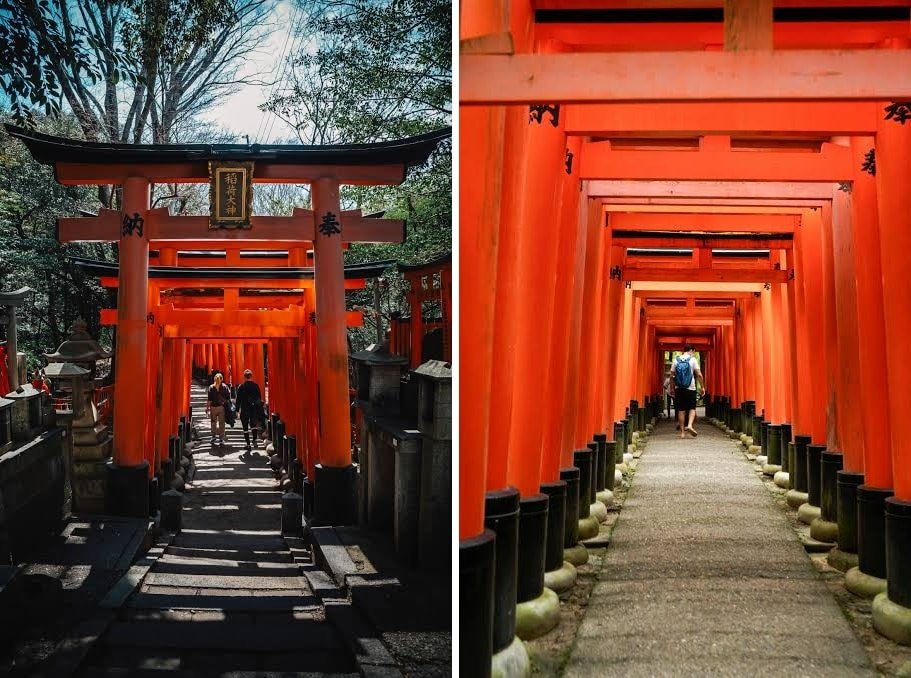
Fushimi Inari Taisha is an ancient Shinto Shrine located in Fushimi-ku, Kyoto, Japan. Known for its renowned ten thousands orange color vermilion torii gates, which created stunning pathways up the sacred Mount Inari.
It is a marvellous torii gates are purely dedicated to Kami Inari, especially to the Japanese Inari, the Kami or spirit of rice prosperity and good harvesting. Place witnessing many traditional and spiritual worships from ancient times especially its gates, which was donated by the allied individuals and business peoples. Interestingly each names of the donors and date of the donations are crafted in every inari gate.
Related Search: Anuradhapura, Sri Lanka.
Fushimi Inari Taisha History

Fushimi Inari Taisha was built during the 8th century, but its main shrine was established in 711 AD. Inari is purely dedicated to the Shinto gods of rice, prosperity, fertility, spirit and good harvesting. Even before its formal establishment, the site has also been worshiped since the 8th century. Not just that, the place also witnessed Inari worship evidence even before the shrine’s official funding.
After that Shrine has historically served as a major religious and spiritual centre to the Japanese, however it has gained much popularity and importance during the Heian period (who ruled from 794 to 1185). During the 1499 or 15th century its main shrine was built, and the shrine was founded even before Kyoto became the emperor’s capital.
Unfortunately until the 16th century the site never got any popularity and its historical and cultural significance never reached any other countries in the world. But when the Hattori family took control over this temple they heavily focused on its promotions and developments.
From 1871 to 1946, Fushimi Inari Taisha was officially designated as the Kanpei Taisha, first place given by the Japanese government to its supported shrines.
Top 10 Interesting Facts about the Fushimi Inari Taisha
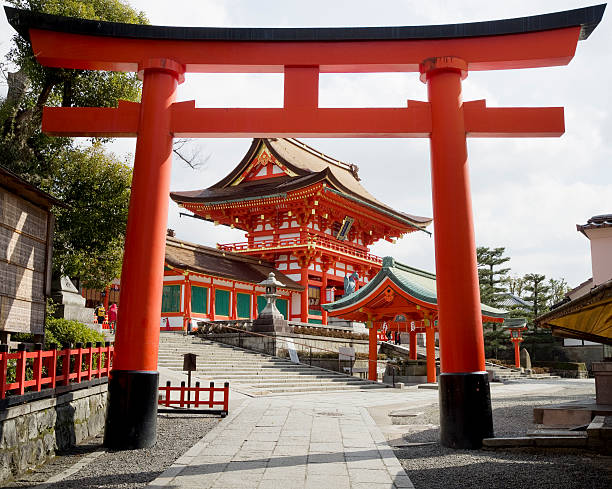
There are some of the mysterious facts behind this world famous Shinto Tower or Inari Taisha, such as;
- Shinto Shrine is dedicated to Fushimi Inari Taisha, a god of rice, Kami or spirit of prosperity and good harvesting.
- Fushimi Inari is the oldest Shinto shrine in Japan. Established in 711, given the highest rank among Shinto shrines in Japan based on its time of construction.
- Fushimi Inari Shrine has several other small shrines. This shrine is made up of 5 main shrines like lower, middle, upper and two auxiliary shrines, spread along the 4 kilometres stretch of the mountains.
- Its 10, 000 red torii orange gates were donated by the allied individuals and business peoples of Japan. Each of their names and dates of donations often included in each of the torii gates.
- Shrine was worshiped in the form of a fox. According to their beliefs, the creature is believed to be the messenger of the Kami, and visitors can spot many fox images and statues or paintings throughout the shrine.
- Instead of being a spiritual and historical site, Fushimi Inari Taisha is also a type of place which offers beautiful hiking trails, called the summit of Mount Inari. Its hiking trail includes 233 meters, passing through amidst the scenic orange color torii gates and other small shrines.
- Fushimi Inari Taisha shrine was once relocated on the basis of Monk Kukai. Yes, originally located on Inariyama hill, it was relocated to its present and permanent home by the Hata Family in 816.
- Visitors can experience some of the seasonal festivals during their journey. Festivals like “Inari Matsuri”, which are celebrated in the month of February with traditional music and dances.
- One of the perfect spots for photographers and adventurous seekers in Kyoto. Due to its cultural, traditional, spiritual things along with scenic views making it the perfect spot to get a click.
- Known as the most visited attraction in Japan. Millions of people, not even from Japan, but even from the World, came here to pray for fruitful harvest, business success and prosperity in their life.
Fushimi Inari Shrine Entrance Fees
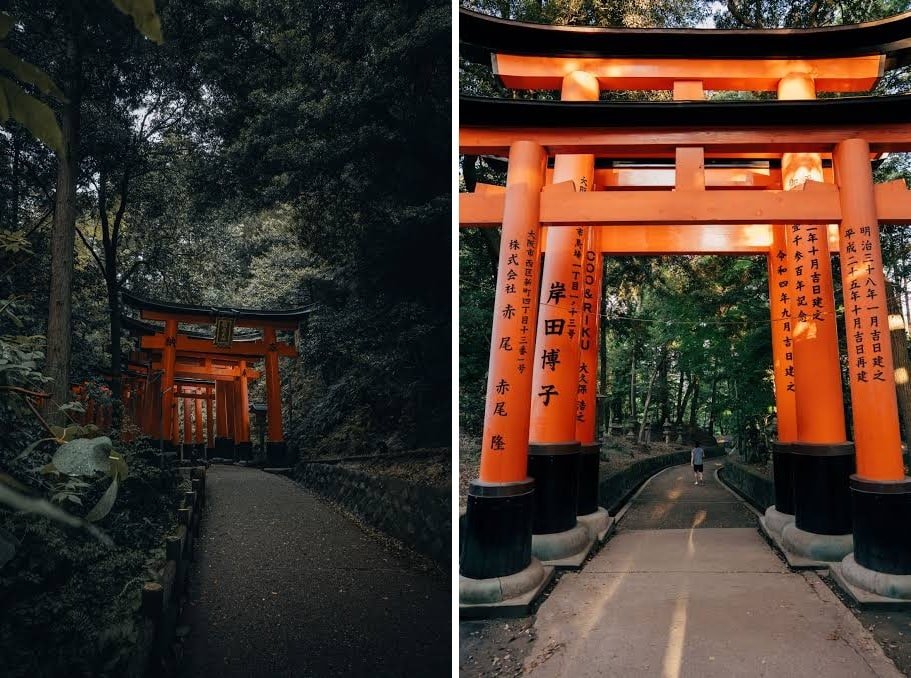
Visitors need not pay any Entrance Fee, it is “completely free to visit” Fushimi Inari Taisha. Having free time to visit is a unique feature among Kyoto’s famous shrines. In order to promote tourism, the Japanese government decided that no such entrance fee is needed to Shinto Shrine. However there is no such advance ticket system available to visitors.
Fushimi Inari Taisha Opening Hours

Visitors can visit Fushimi Inari Taisha at any time, open 24 hours. Usually Shinto shrines open from 7:00 am to 18:30 pm and 8:30 am to 16:30 pm for prayers and people can take a blessing and pray at the temple.
Travellers can also spend some time in nearby shops and restaurants, where there are a good number of souvenirs, gift shops and cafes/food stalls available. Each of these shops and restaurants operate from morning 9 am to evening 5 pm.
Best Time to Visit
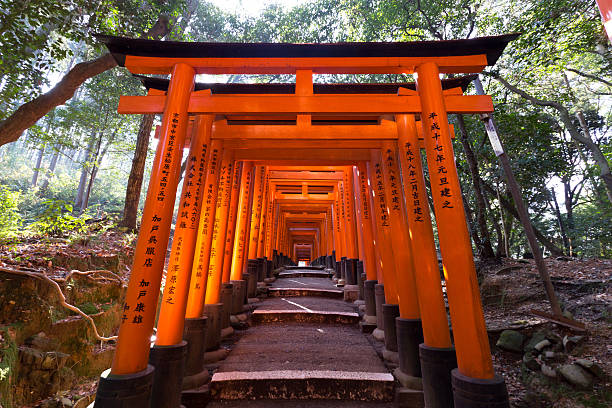
Since it is a beautiful ancient site, obviously there are huge numbers of visitors visiting every year, that’s why it gets pretty crowded during the day time. So, is it very important when you should visit?
If you want to avoid the crowds, probably in the morning or night time it is better to visit. Visit morning between 6 or 7 am, there is no such traffic and also you will get some chance to get capture the beautiful pictures of the nearby mountains and shrines, if you carry a camera along with you.
How to Get to Fushimi Inari Taisha
Getting to this brilliant beauty is super easy, considered as the most accessible travel spot in Kyoto. If you’re coming from a different part of Kyoto, visitors have to take either a train or bus journey to reach its nearest station. Let’s see what are the 2 best options to reach Fushimi Inari Taisha?
1. By Train
The country is well connected by the train systems. In the same way, even a shrine has direct train facilities from the nearest Kyoto station. But we recommend you take the JR Nara Line from Kyoto Station to Inari Station, which won’t take more than 5 minutes of journey to reach this shrine. After that backpackers just have to take a few minutes short walk to reach their destination.

However, even from Osaka, a train called Keihan Main Line Express is directly operating to Inari train station. Which helps those who’re coming from Osaka or nearby destinations. Compared to JR Nara Line, Keihan Main Line express takes around 45 to 50 minutes of time to reach your destinations.
Try to purchase a Japan Rail Pass, it will help you to take your destinations (not just only Fushimi Inari Taisha) from different parts of the country without draining your pockets.
2. By Bus
Take private or public buses from the nearest bus station like Kyoto Bus Stations to Inari Taisha-mae stop. Try to book your seat from Kyoto City Bus Minami 5 where buses are regularly departing to Fushimi Inari. The bus journey approximately take 1 hour to reach.

Compared to a train journey, the bus is a little bit delayed due to traffic, but it allows visitors to take a small glimpse of the surrounding beauties from Kyoto to Fushimi Inari.
Where to Stay Near Fushimi Inari Taisha?
Staying at Inari’s nearest landmark is always a good idea to cover not just fushimi Inari Taisha, moreover to cover nearby attractions like Fushimi Inari Bamboo Forest and hiking points.
1. The Inari Ohan
The Inari Ohan was once a traditional Kyoto home, today it has turned into a beautiful luxurious guesthouse. Those who wish to stay near Fushini Inari Taisha “The Inari Ohan” could be a great choice for them. This guesthouse is just 5 minute’s walk from the Inari Station and the Shrine (just 600 meters), which welcomes single, couples and even family travelers.
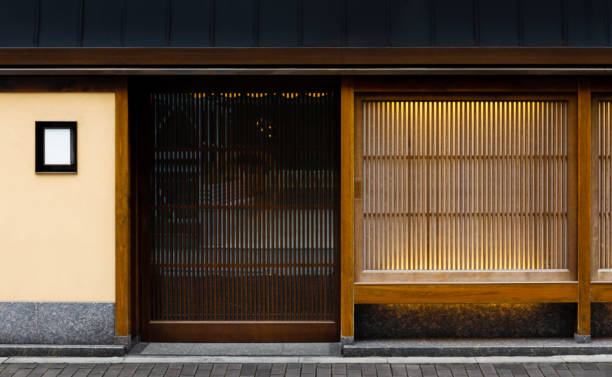
Inari Ohan provides a more tranquil experience through its beautiful outer garden, tatami flooring and modern kitchen spaces. However, guests expect flat screen TV, free WI- Fi and kitchenettes in every room. Prices usually start from $250 to $350 per night, and this guest house is located just 5 minutes walking distance from JR Inari Station and Fukakusa Station.
2. One More Heart at Fushimi Inari
One More Heart at Fushimi Inari hotel is close to Fushimi Inari Taisha located just 500 meters away and guests can reach it within 5-10 minutes of time. Guests can enjoy modern amenities such as electronic bidets and stovetop/microwave kitchenettes and relaxing hot tube facilities.
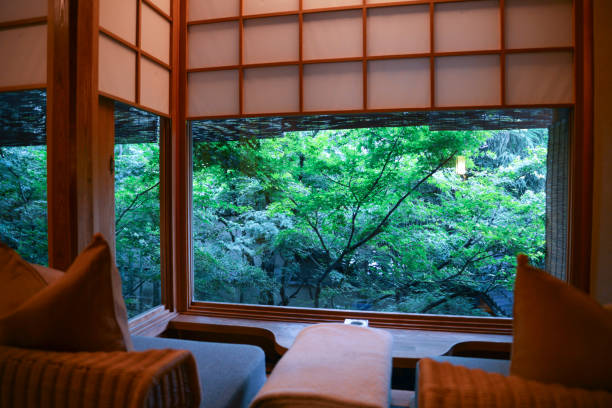
The hotel is perfectly built according to modern apartment styles which help to stay at more residential home feelings. Since it is a mid-range hotel guest can expect $19-$105 cost per night. Make sure that One More Heart at Fushimi Inari is a hotel with close access to not just the Inari site, even to Kawaramachi Street (500 meters), Tofuku-ji Temple (0.8 miles) and JR Inari Station (2.5 km).
5 Helpful Tips for Visiting Fushimi Inari Taisha
1. Try to Visit Early in the Morning or Evening Time
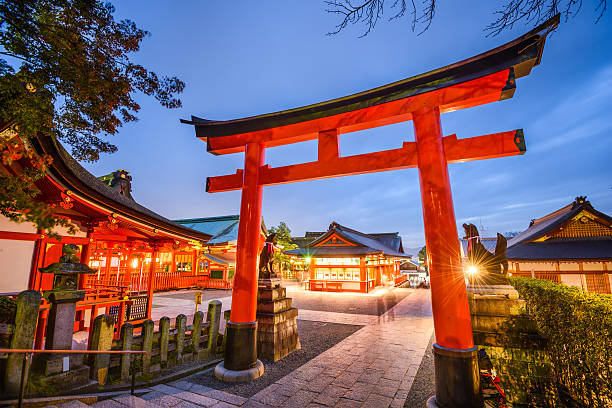
Visiting early in the morning or later in the afternoon help visitors to avoid crowds and experience more serene experiences. Every morning before 8:00 AM, the shrine opens at dawn. It is easy to walk through Red Senbon Taipei or Thousand Gates alone without any hustle and bustle. Try to avoid taking a hike after 9 or 10 AM.
2. Wear Friendly Footwears
Wearing comfortable shoes which make your hiking journey is always a welcome idea here. Since shrines demand a little bit of hiking, it is a really good idea to wear lightweight hiking shoes or footwears. Paths are often paved with cobblestones and sometimes even quite steep and extensive, so the chances of slippery after a rain is more. Therefore packing comfortable lightweight shoes will make smooth and friendly walking among the thousands of torii gates.
3. Keep Hydrated Yourself
To maintain and keep hydrated in every step of a hiking journey at Fushimi Inari Taisha. Hence, crucial to keep sufficient amounts of water and snacks. Since hiking takes several hours, it’s a good idea to have a water bottle and some snacks along with you. Sometimes backpackers even buy some refreshments on the trails, if you want you can buy there. Don’t forget to add water bottles and snacks when you think about what to pack before leaving your place?
4. Check Weather any Festivals are Happening

Fushimi Inari Taisha witnessing many local festivals and special events so often. This site hosts year round Shinto rituals and festivals such as Shinko-sai (also called Inari festivals held during late April to May) and Motomiya- sai (happening in July month). Both are popular festivals that represent traditional beauties and the cultural legacy of Kyoto through lanterns and performances. Besides that, festivals such as Hitaki-sai, Otaue-sai and Hatsu-uma Taisai are popular festivals happening here.
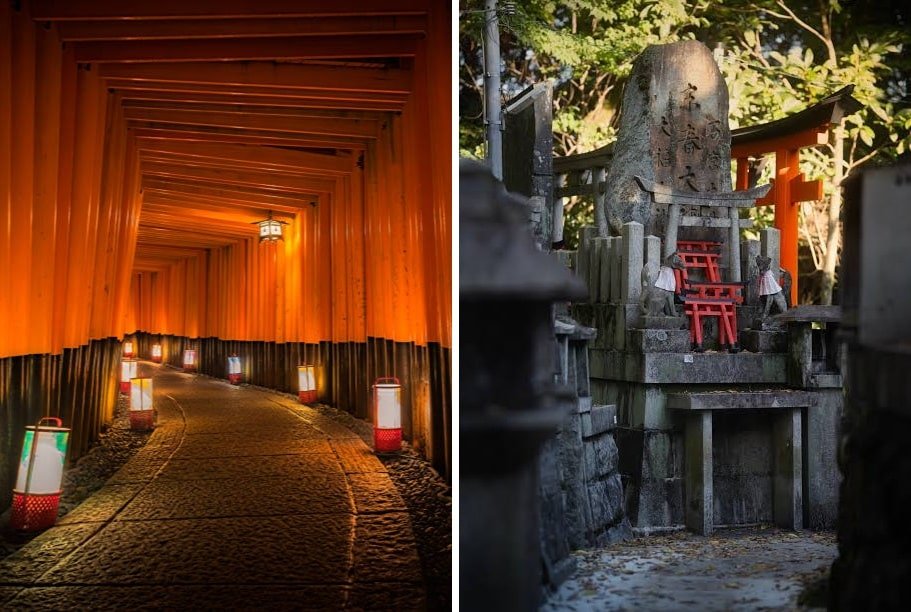
Why we recommend you to visit during festivals and special events is simple. Festivals are integral part of any culture and history and it help to understand the culture, traditions and local people’s lifestyle along with experiencing traditional rituals and vibrant cultural displays.
5. Don’t Limit Your Trip to Main Shrine
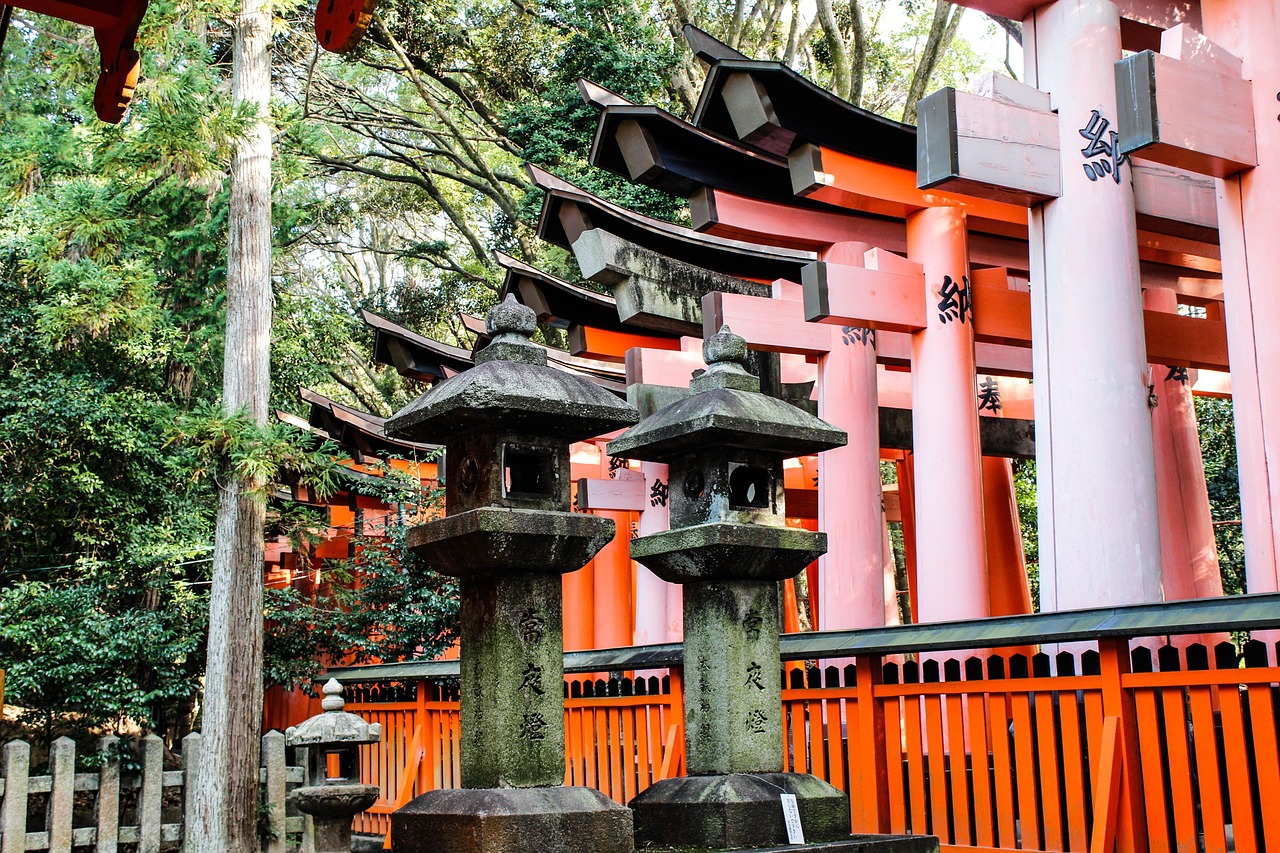
Have you made a plan to explore just the Main Shrine of the Fushimi Inari Taisha? Then you’re making mistakes. Instead of limiting yourself to exploring one attraction, push yourself to explore as much as nearby shrines and scenic viewpoints. The place is home to an abundance of natural beauties such as Fushimi Sake Village, Fushimi Castle, Tofukuji and Sennyuji temples and the iconic “The Secret Bamboo Grove”.
Try to cover as much as attractions and natural beauties/scenic viewpoints along the way and try to expand your Kyoto journey to make it more curious and exciting.
Thank You for Your Time.
Our Japan Articles:
What are the 12 Unique Things to Do in Japan.
Takayama, Japan- Perfect Travel Itinerary.
For Your References;
Places to Visit Near Fushimi Inari Taisha.
Where to Eat in Fushimi Inari Taisha?
Q: Why is Fushimi Inari Taisha Famous?
Q: When was the Fushimi Inari Taisha Built?
A: Its basic structure were built during 711 AD on the Inariyama hill in south western Kyoto city. But during 816 AD, its shrine was relocated to its present and permanent home by the Hata Family in 816.
Q: How Many Torii Gates at Fushimi Inari Taisha?
A: 233 meters of walking trails filled by the 10,000 orange color torii gates, leads up to beautiful trail on Mount Inari.
Q: How Long Does it Take to Walk the Fushimi Inari Taisha?
A: Walking trail is exclusively open to general public for hiking at any time. Usually it will take 1.5 hours to 2.5 hours of time to teach the top of the mountain. Visitors can free to walk and wish to turn back at any cost of time.
Q: Is Fushimi Inari Taisha Free?
A: It is completely free. Visitors need not pay any entrance fee or ticket prices to enter the Inari.