Rome, the capital city of Italy, is a place nestled in rich history, stunning architecture, and vibrant Roman culture. Rome has been a center of power, culture, and religion during the Roman emperor period, that’s why it is renowned as “Eternal City,”. Apart from this, the city reflects the long standing tension between the spiritual and political power of the Italian state capital.

We should not skip landmarks such as the Colosseum, Pantheon, and Vatican City to the bustling streets filled with charming cafes and shops. However city blend with delicious cuisine, art-filled museums, and romantic atmosphere, therefore Rome offers a unique blend of ancient wonders and modern delights to every sort of backpackers. There is no such a great place like Rome and even in the whole of Europe for those who seek to experience the beauty and grandeur of Italy.
Top 15 Things to do in the Rome, Italy
Let’s discuss one by one what are the iconic landmarks and things to do under Italian capital city of Rome.
1. Visit the Colosseum

Such a vast open ancient amphitheater is an iconic symbol of Roman architecture and a must-see attraction for history enthusiasts. The Colosseum was built as a part of the imperial efforts and legacy of the Roman Kingdom.
During the ancient period, the theatre was used for gladiator games, animal hunts and public shoes. Measured 189 meter long, 156 meter wide and 50 meter height can accommodate around 50,000 to 80,000 visitors. Today it is recognized as a one of the UNESCO World Heritage sites and one of the 7 new wonders of the world (Right now 8 new wonders of the world).
2. Explore the Vatican City
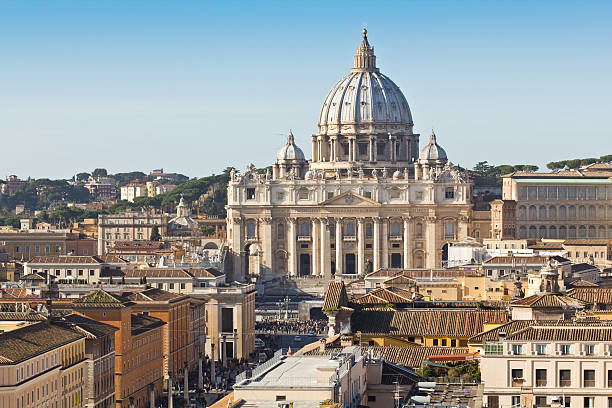
Even today Vatican City is considered as a most sacred and holy place for Christian communities. Vatican City was well known for historical significance and spiritual ventures, in order to become a great architectural marvel within a very small country.
It is a home to St. Peter’s Basilica, the Vatican Museums, and the Sistine Chapel, this city-state is a cultural and religious hub. Located amidst the city of Rome, St. Peter’s Basilica is a major attraction located in the center with its double colonnade and a circular pizza in front and bordered by the palaces and gardens.
3. Throw a Coin into the Trevi Fountain
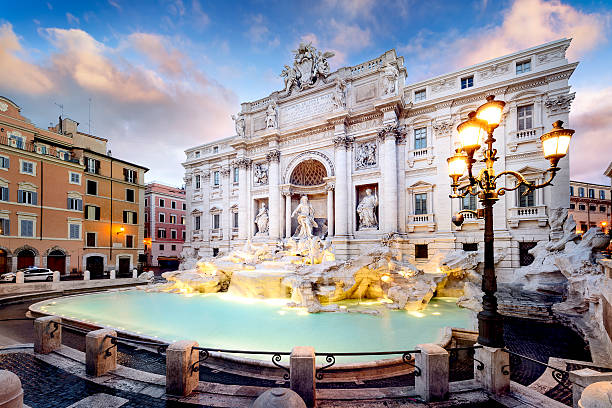
There is a scientific reason for throwing into the Trevi Fountain, it is said that by throwing a coin into the fountain, you ensure your return to Rome. It is a very traditional way of tossing coins into the “Fontana di Trevi” dated back in the 20th century. Even today it is considered as one of the most traditional and most popular tourist ritual activities in Rome.
There are multiple reasons to throw a coin, but the basic idea is that when you throw a coin, fountain will offer good luck and prosperity. Even Though some people believe that throwing coins will give a successful love life. It got world recognition and popularity after it was added in the 1954 film called “3 Coins in the Fountain”.
4. Wander through the Roman Forum
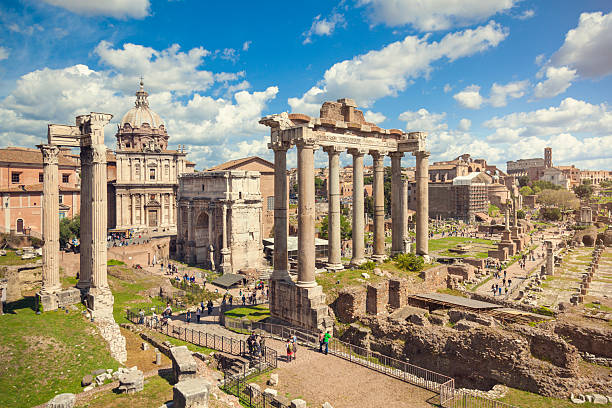
Roman Forum is the most popular and iconic spot in the whole Rome city. Over a period of time the Roman Forum was the center of day to day life in Rome. Starting from public speech, criminal trials, gladiatorial matches and processions and elections, the Roman Forum played a major role.
Never forget to explore ancient ruins of temples, basilicas, and government buildings that once formed the heart of ancient Rome. Built during the 7th century, used for commercial, social and political purposes. Starting from today, the Roman Forum has several modifications which exhibit the Greek influences.
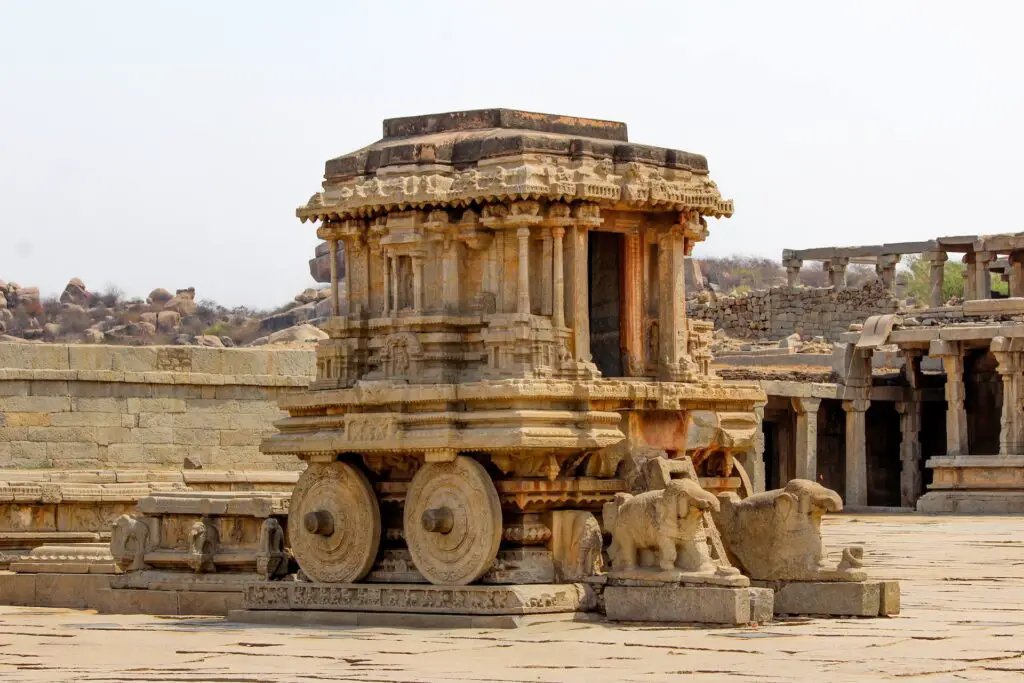
Suggested Reads; Hampi; A living heritage of Indian’s golden era.
5. Climb the Spanish Steps

A popular meeting spot in Rome, along with a great view of the city which is surrounded by boutiques and cafes. Spanish steps decorated in the roman baroque style, stairs hold great beauty, history and culture.
Interestingly, not built by the Spanish people, the name comes from the Spanish Embassy to the Holy See, situated in the base square Piazza di Spagna converted as Spanish Square. Designed in 1717, steps are seen a lot and still used today by the people around the world. Naturally these steps are a little worn and damaged in places. It has caused several modifications and restorations, likely in 1995, then renovated in 2015 and reopened in 2016.
6. Discover the Pantheon
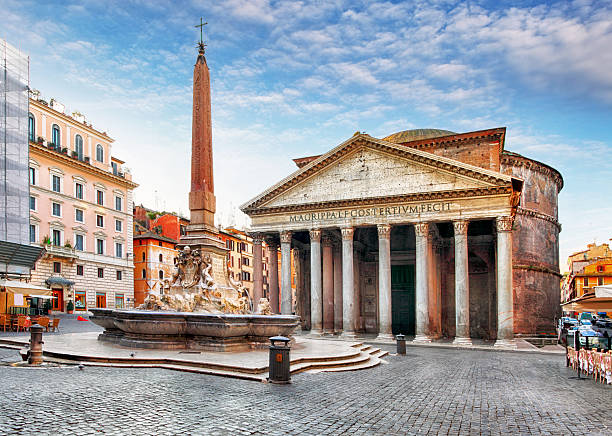
Pantheon is considered as the final resting place for the ancient great Italian Kings and artists. This well-preserved temple dedicated to the Roman gods is a testament to ancient Roman engineering and architecture. Most preserved Roman monument is well known for its vastness, design and constructions, measuring 142 feet in diameter and 71 feet in height.
Pantheon was built around 27 -25 B.C under the Emperor of Caesar Augustus. Till today, Pantheon dome, considered as the single largest unreinforced concrete dome in this entire world. Pantheon was initially a Christian church and it has served over a centuries. Today Pantheon serves as church services and in some rare occasions it serves as marriage ceremonies and events.
7. Stroll through the Trastevere Neighborhood
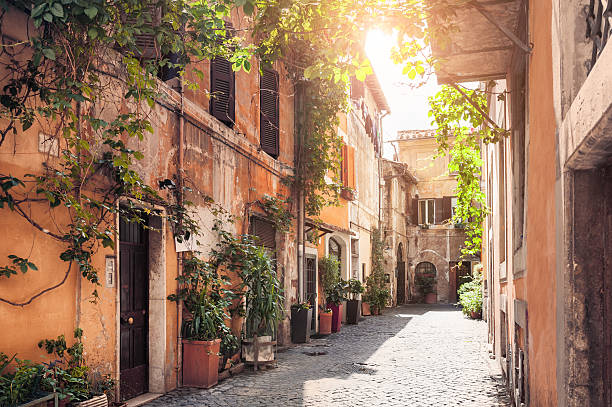
Located on the opposite bank of the river Tiber, south side of the Vatican City. Trastevere word derived from the Latin word of “beyond the Tiber”. This charming area is known for its narrow cobblestone streets, colorful buildings, and authentic Roman trattorias.
Moreover, a world class neighborhood with its narrow alleyways and mediaeval houses with lively night shows. Streets includes restaurants, trattorias and pizzerias, more importantly it is hub of Italian cafes, bohemian atmospheres, wine shops, and craft and boutique shops. Trastevere neighborhood is also known for being home to centuries old churches and Roman historical sights.
8. Explore Galleria Borghese

Galleria Borghese is a collection of home art galleries in Rome, designated in the former villa of Galleria Borghese. Home to an impressive collection of art, including works by Caravaggio, Bernini, and Raphael.
Both gardens and galleries are two collections of art in their right. Placed in the heart of the city of Rome, it still today stands as one of the most iconic and well preserved museums in the entire city.
Here you can spot some of the world famous paintings and sculptures like Raphael, Bernini, and Caravaggio, moreover Dama Con Liocorno and Melissa are also included here. Apollo, Daphne and David some of the incredible sculptures offer even more popularity to this Galleria Borghese.
9. Explore the Catacombs of Rome

Never forget to delve into the underground burial chambers used by early Christians and visit the eerie yet fascinating catacombs. Simply, it is an underground gallery used for centuries as cemeteries. Around the 2nd century Catacombs work was started, interestingly not completed until the 5th century.
Majority of Pagan citizens, Jews and Christians of Rome were buried here. It was made from infinity underground tunnels from authentic labyrinths which had several rows of rectangular niches. Here dead bodies were wrapped in a sheet and placed in these niches then they closed with tombstones of marble. While walking in the city you can see funeral remains of burial and journey is dark and humid corridor where you can feel buried part of the historical dead bodies.
10. Indulge in Italian Cuisine
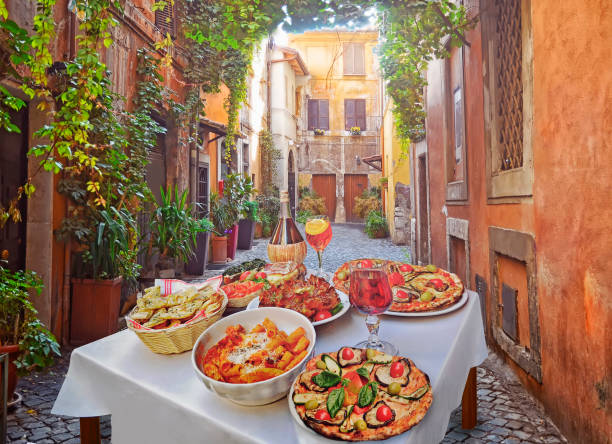
Italian cuisines, popular not today but world famous during ancient Roman time, out of that many are originated from Greek and Jews. It got world recognition for its unique style with the combination of simplicity. Offering from traditional pasta dishes to authentic gelato, be sure to sample the delicious food and wine that is Rome.
Italian foods and cuisines have combinations of quality, taste, passion and simplicity. In Spite of Pasta and Pizza, Italian cuisine also well known for Risotto, Spaghetti alla Carbonara, Arancini, Fiorentina Steak, Polenta, Ossobuco, Truffles and Lasagne are most popular here in Rome.
11. Appreciate inside Beauty of Basilica di San Clemente al Laterano

Visit the Basilica di San Clemente al Laterano, a 4th century old church contains deep historical backgrounds and most elegant inside beauty. If you dig its history you’ll find 3 layers of history. Under ground level, Visit the Basilica di San Clemente al Laterano goes to the 12th century, adorned with the region’s best mosaic structures like Tree of Life and Cosmatesques floors. Whereas underground and lower level goes to 1, 2 and 4th century architectures which depict mediaeval old frescoes, Roman Villa, Rome’s religious paintings and Mithreaeum architectures.

While walking inside this church, I am sure you’ll appreciate its most epic beauty of art and mosaics, which represents Jesus Christ and the statue of Cross as the Tree of Life. Don’t forget to visit the cemetery of Pope Clement and the Chapel of Saint Catherine. Your journey in Rome is to get a unique glimpse of Rome’s religious evolutions or figure out layers of Roman history, don’t miss this place.
12. Spot Quartiere Coppedè Neighbourhoods

Quartiere Coppedè Neighbourhoods is full of fairytale structural buildings and some Gothic, Baroque and Art Nouveau architectural landmarks. Each time while roaming its neighbourhoods, brilliant whimsical architecture makes you appreciate colorful century old buildings and ornate details makes you say thank to its brilliant and creative works which done by the native peoples during 20th century.
Gino Coppedè was the person behind this beautiful architecture built between 1915 to 1927. But as a visitor your duty is to visit each one of these beauties and learn how each one is unique and beautiful. Starting from The Villino delle Fate, a classic asymmetrical fairy house attracts visitors from its beautiful mosaics, frescoes and elements built with the help of wood and marble.

Spider Palace is another beautiful attraction known for its Assyrian and Babylonian architectural styles built according to the idea of spider web decorations. Its vast lion head and loggia balconies make you spend more time for appreciating its architecture.
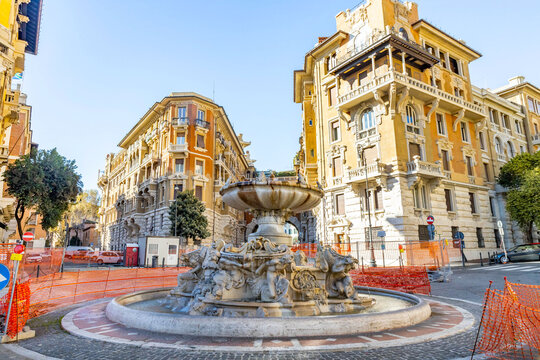
Fountain of the Frogs most loved and expected travel beauty representing 3 major architectural ideas such as Medieval, Baroque and Greek. It contains 12 detailed frogs which represent fertility, rebirth and metamorphosis in human life.
Suggested Read: Where to Stay in Rome?
13. Attend any Roman Cooking Class

As we know, Rome is the most historically rich city known for its iconic historical things like the Colosseum, Pantheon, Trevi Fountain and Roman Forum. Rome has such a great city historical vibe which you’ll never experience anywhere in the world. But it is crucial that Rome even culturally is subtle and intimate. One of the best ways to understand is through how to eat, drink and cook like Romans do daily.
The best way to do your cooking classes is to venture outside and search areas where the locals are continuously involved in this particular activity. Visit popular neighbourhoods like Trastevere, Vatican or Piazza Navona to attend popular cooking classes like InRome cooking located near Piazza Navona where they teach you how to make pasta, pizza and gelato ice creams with hands- on experiences.
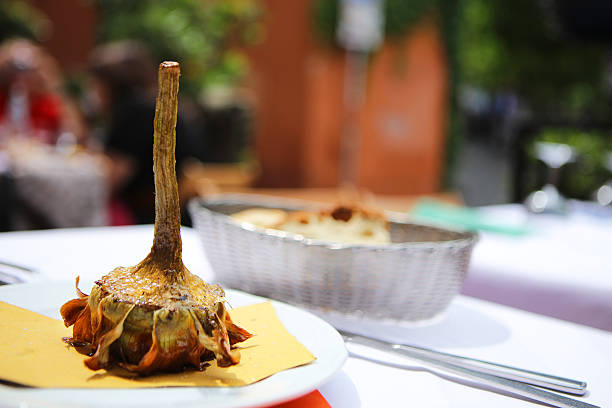
If you’re staying near Trastevere or Vatican neighbourhoods we recommend you to attend Cesarine cooking class. Cesarine is the most authentic and intimate oriented cooking class that helps you to make the most traditional and century old family recipes. Naturally they help you to make pasta, tiramisu, handmade ravioli, and dough.
Attending the city’s local cooking classes makes you learn traditional Roman cooking styles. It could be a great way to receive insights into the culture and local lifestyle and local culinary lifestyle. Each time while making dishes from yourself you’ll learn the history behind dishes that expand your existing cooking knowledge.
14. Attend Performances at Roman Opera
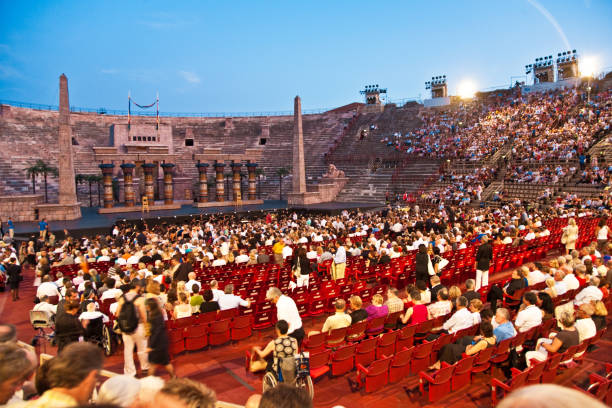
Colosseum is greatest example where once people gather and watch gladiators and some events/cultural performances. But today the Colosseum just left as an ancient tourist destination, but the Roman Opera House fills its legacy.
Today the Roman Opera House is a great place to watch some of the country’s best opera productions, events and Italian music cultures. Performances like La Traviata, The Three Tenors, Tosca and Four Seasons are most popular performances which are ranging from Opera arias to some historic events.
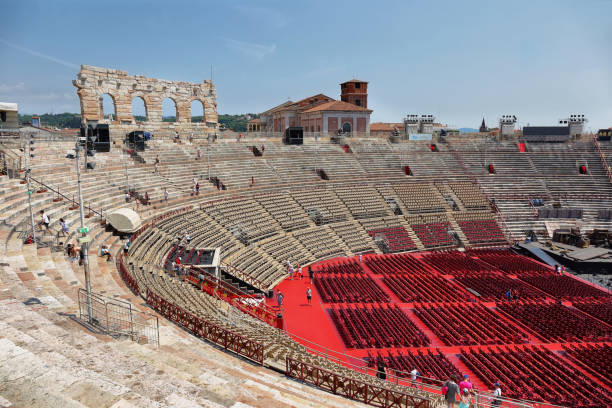
Opened in 1880, Opera House blends rich history from then it hosts more than thousands of events including world famous “Puccini’s Tosca” in 1990. This Tosca is renowned premier shows hosted by artists like Pavarotti and Calls.

But what we really have to say despite its events in Roman Opera House architectures. It is a neo-renaissance architecture built according to a horseshoe shaped auditorium with 2,200 the seating capacity. Its golden dome styles, opulent frescoes and beautiful reinforced proscenium arch clearly help us to enjoy live shows amid these unforgettable historic and cultural experiences.
15. Enjoy Epic View from Eitch Borromini Rooftop Bar
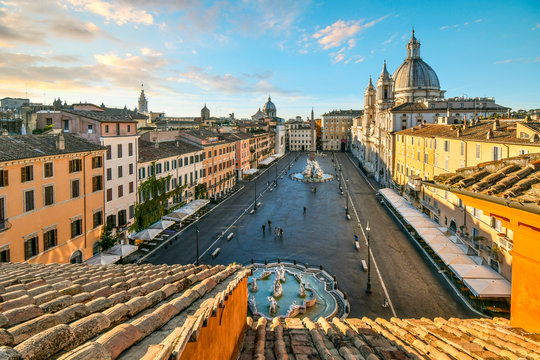
Eitch Borromini Rooftop Bar is greatest spot in the entire Rome to get aerial view of the Piazza Navona. This Rooftop bar is located on the 5th floor (part of the 17th century building) and depicts very clear views of St. Peter’s Dome, city skyline and panoramic views of the city along with Piazza Navona.

Part of the Witch Borromini Palazzo Pamphilini hotel where its 4th floor is exclusively known for its restaurants. Visit during evening time and buy a cup of coffee and reach its top and enjoy breathtaking views of the sunset along with your coffee. Coffee here little costly, usually they charge €25 per coffee, but its views will be more worth than your coffee price.

I hope this list helps you plan your next trip to Rome. Isn’t it. Yes, once you go through the above landmarks you will get immerse of travel adventure including both ancient and historical significance of a city. Provided detailed information above attractions or recommendations for accommodations and restaurants such a great Eternal city in Europe.
Q: Is Rome a country?
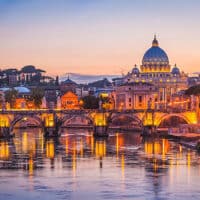
A: Rome is a capital city of Italy, also one of the Province of Rome and region of Lazio.
Q: What is the old name of Rome?
A: During the ancient times Rome called as “Urbs”, means central city. Which also called as “urbs roma”.